

Revenue is not cash flow, and a cannabis company can post a record month on paper and still not have the cash to pay your invoice the day it comes due.
The 5 Cs of Credit are the framework credit teams in every industry use to size up a customer before extending terms. This post covers the second C, Capacity. It applies across the whole chain, from manufacturers to retailers and service providers.
Last week I wrote about Character, which asks whether a customer INTENDS to pay you. Capacity asks whether they have the cash to pay when the invoice is due. Not someday. On time.
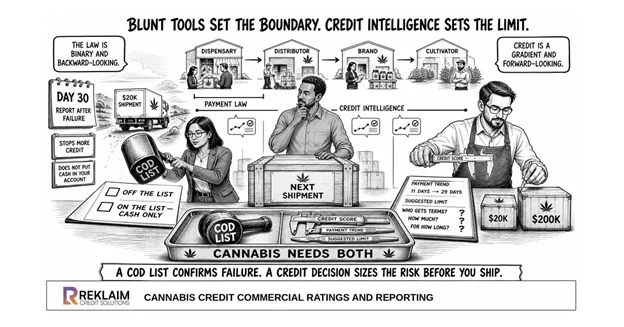
Capacity is not whether a customer is profitable or growing. It is whether the cash is there the moment your $20k invoice is due, before it slides past due, then severely delinquent.
So how do you read capacity? Here are the signals I’d focus on.
· Revenue vs. cash — Strong sales can be stuck in inventory, receivables, taxes, and debt service. A sales team might be celebrating a record month, but if the money hasn’t landed in the bank yet, should everyone be cheering?
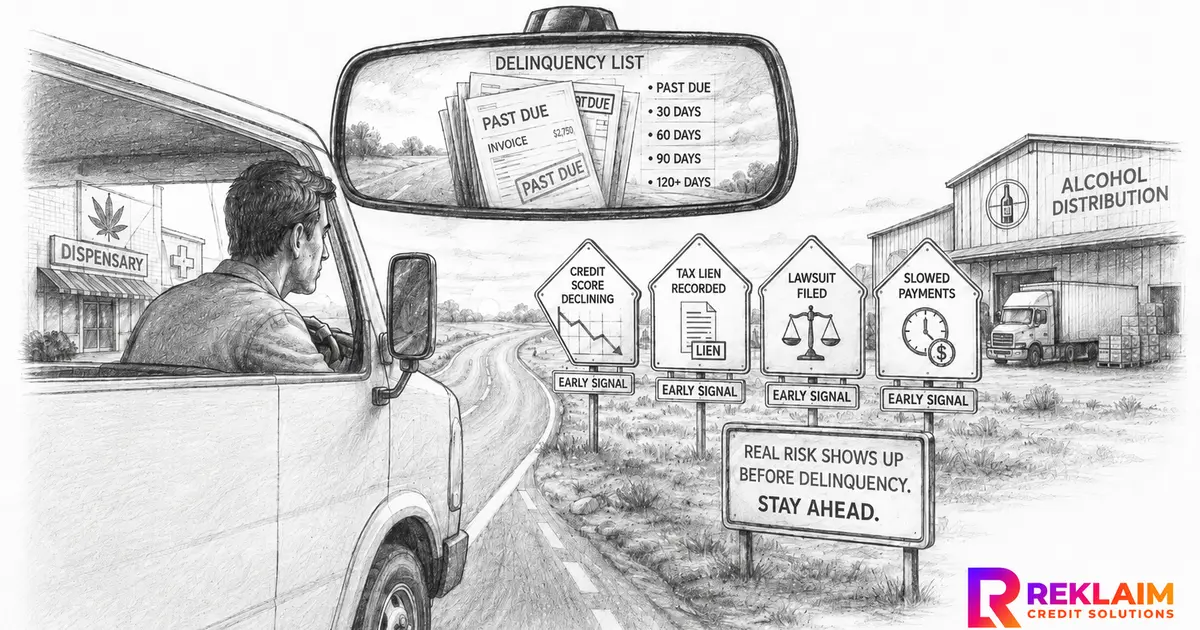
· Payment velocity — A customer who first paid in 35 days, then 50, then 65 has a capacity problem you want to catch well before those invoices slide further past due, right about when “the check is in the mail” becomes a recurring theme.
· Cash conversion speed — How fast a customer turns a sale into cash. Slow inventory turns and slow collections can cause a shortage even as sales climb.
· Growth can pull the other way — Fast growth eats cash. A company buys inventory, hires, and funds fixed costs before paying its vendors, so a fast-growing company can be tighter on cash than a flat one.
· Who must they pay first — Payroll, electric, rent, taxes, secured lenders, and critical suppliers get paid first. Unsecured trade creditors sit further down the line, and if things go sideways, they are often SOOL.
· Credit utilization — If they are near their limits with most vendors, they have little room to absorb a slow month, a surprise expense, or a lost customer.
· Public records — Tax liens, judgments, and UCC activity can show other obligations already competing for limited cash.
Capacity in cannabis carries extra weight. Heavy inventory requirements, tax obligations, limited banking access, price compression, and overdue AR all pull on the same cash.
When working capital financing isn’t available to refill it, sales volume gets misleading. A dispensary or brand can look busy, report great revenue growth, and still run short of cash.
One more point and then you can get back to scrolling your news feed.
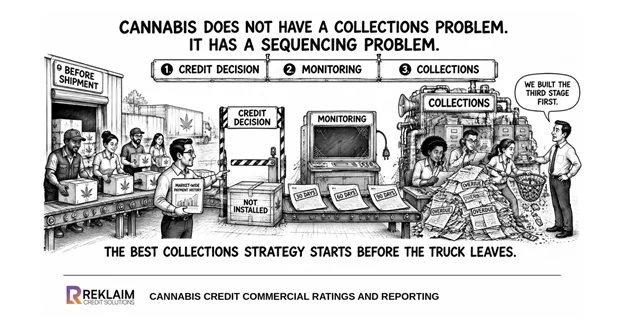
Capacity is not a one-time check. A decision made six months ago may not reflect what a customer can pay today. Approvals have a shelf life, which is why capacity is something to monitor, not confirm once and file away.
That ongoing view of a customer’s ability to pay on time is exactly what Reklaim Credit Solutions will bring to the cannabis industry.