

You just sent $20K of cannabis related product to a new customer on net 30 terms.
Now what do you do?
In corporate America, it goes by many names. Order to cash. Credit risk management. Accounts receivable management. Spin it any way you want, but at the end of the day, it is one thing: making sure you get paid, on time, for products you already shipped.
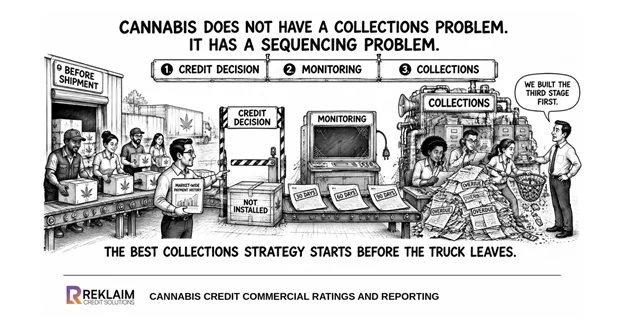
Ideally, credit risk analysis was done before the order shipped to confirm that the customer was worth $20K in credit. But as we know, most in cannabis ship first and ask questions later. Either way, you now have accounts receivable (AR), and it has to be managed.
A good first question is what tools you are using to manage it. Many operators run on QuickBooks or similar software that produces aging reports, but that is accounting software, not an AR management tool.
Most of the companies I worked with over my career run software built specifically to manage their AR and order-to-cash process, not just an aging report sorted by who owes the most. That software does a lot, but one of its primary functions is helping you run collection strategies.
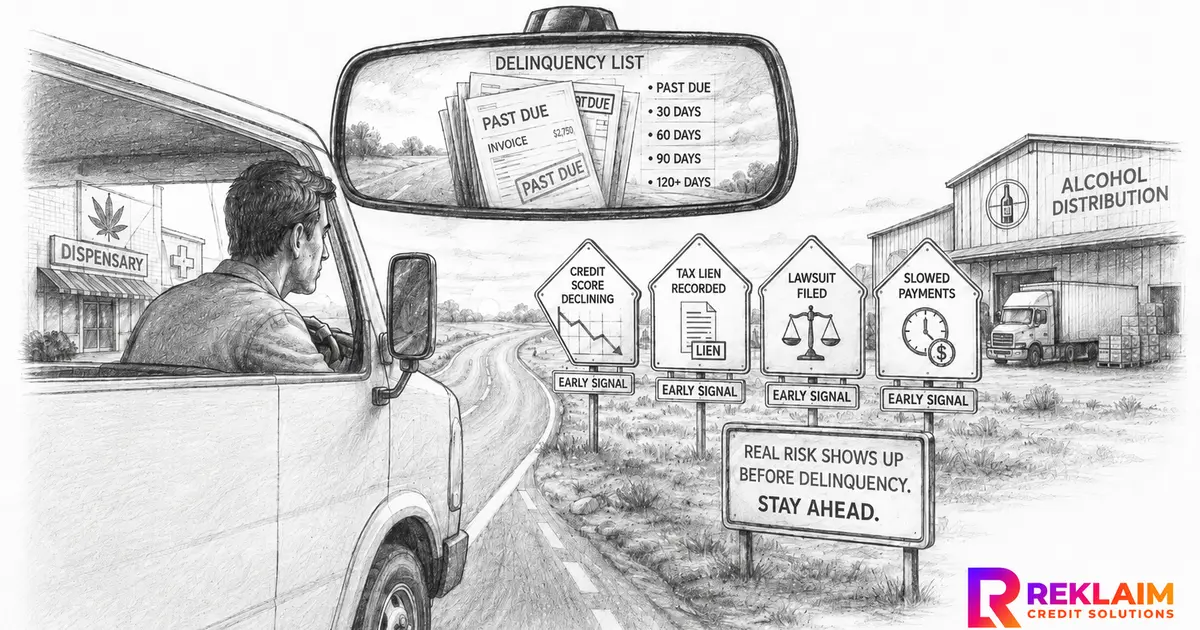
Best practice says you should prioritize collections by risk, dollars at risk, and age. Focus on risky customers first, when they go 1 day past due, not when they stop buying and are 90+ past due.
Does your company have a customer collection strategy in place before you send product out the door?
No matter how you do it, here is what I recommend you focus on:
Create a clear credit policy. Define credit limits, standardize your terms, and run a credit approval process.
Invoice immediately and accurately. Get the sale data right and spell out acceptable payment methods up front. Your invoices and statements are the tools used to collect what you are owed and make it as easy as possible to get paid.
Build a communication protocol. Automate your invoice due reminders, develop an escalated dunning process for non-payment, and log every customer interaction.
Have a dispute resolution process. Identify root causes, empower whoever owns your AR, and pull in whoever owns the customer relationship when one is on the line.
Use data analytics to catch problems early. Monitor Days Sales Outstanding and Average Days to Pay, review your aging and individual customer risk, and measure how much of what you are owed you collect each month. Also, monitor your customers for derogatory information that might prompt you to act sooner, such as tax liens.
Have a third-party collection strategy in place. Know when you have exhausted internal efforts and it is time to hand a customer over to a collection partner. Also, make sure anyone you use is bonded, licensed, insured, and approved by the Commercial Collection Agencies of America. If they are not, you have no recourse if things go sideways.
As a company grows, the AR typically becomes one of the largest assets on the balance sheet.
It should be protected, and Reklaim Credit Solutions wants to help you do it.