
Most people assume that strict payment laws in the alcohol industry eliminate credit risk.
They are wrong.
Here is the reality: federal law caps trade credit between suppliers and retailers at 30 days. Most states mirror that rule or go further, requiring full COD for beer from the first delivery.
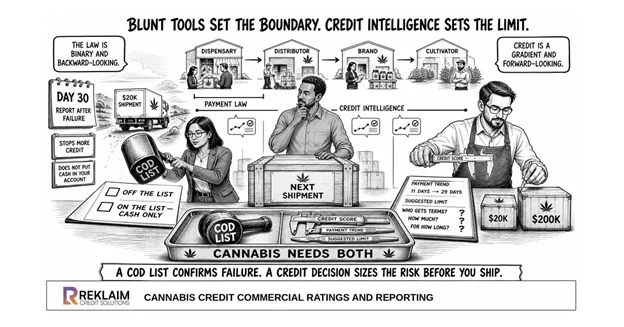
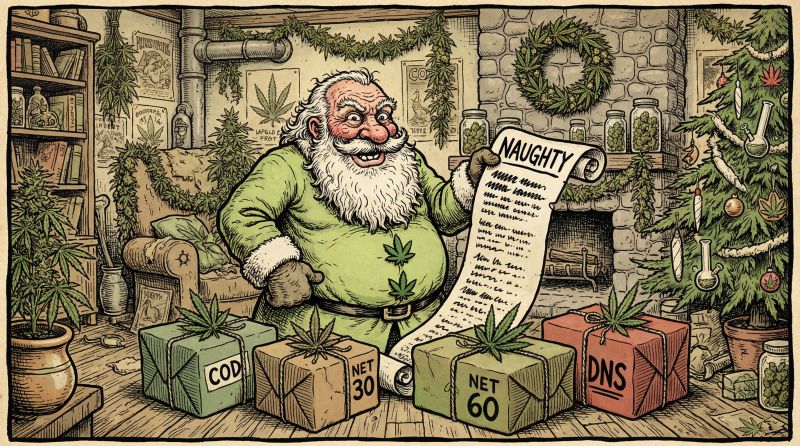
Miss the payment window, and the distributor is legally required to shift that account to COD. Sounds airtight, right?
Not even close.
A 30-day payment term is still trade credit.
You are still shipping product before you get paid.
You are still exposed.
The clock just runs faster.
And here is the problem that most people outside the industry never see: not all states maintain a centralized delinquency list, and not all distributors are required to report slow payers.
States like New York and Texas mandate reporting and publish COD lists that every distributor can check.
But in plenty of states, there is no such system.
A retailer can get cut to COD by one distributor and walk straight to the next one and get extended credit again. The new distributor has no idea.
That is exactly why credit reports matter.
A credit rating on a retail account tells a distributor:
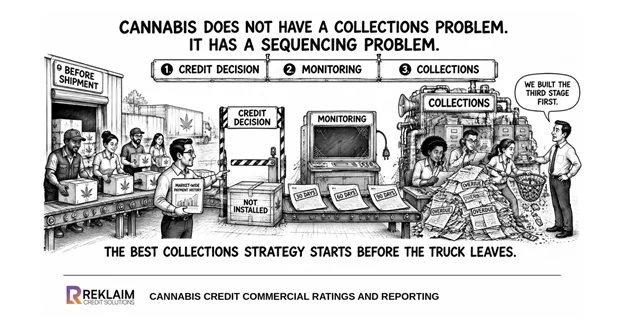
Who is a slow pay risk BEFORE any invoice goes out.
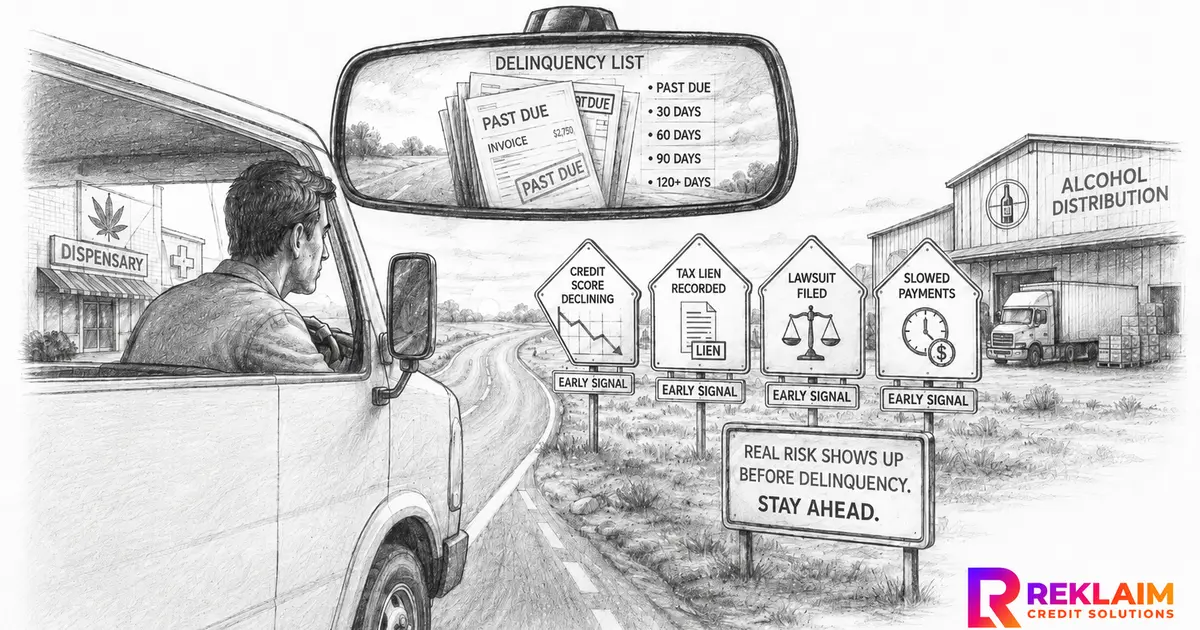
Which accounts are trending toward delinquency BEFORE the mandatory COD trigger fires.
Where to concentrate collection resources when cash flow tightens across the book.
How much exposure is acceptable across a book of 300-plus open accounts.
The payment window does not eliminate credit risk. It compresses the timeline and raises the stakes.
A distributor that waits until an account triggers COD status is managing problems reactively. The smart ones use credit data to get ahead of it.
This is the same logic that drives credit underwriting across every industry that extends trade credit, from food and beverage to building materials to pharma.
Payment terms exist.
Defaults happen.
Information gaps get exploited.
The alcohol industry has mandatory payment windows.
It does not have a universal system for sharing that information.
Know who you are selling to before you load the truck.